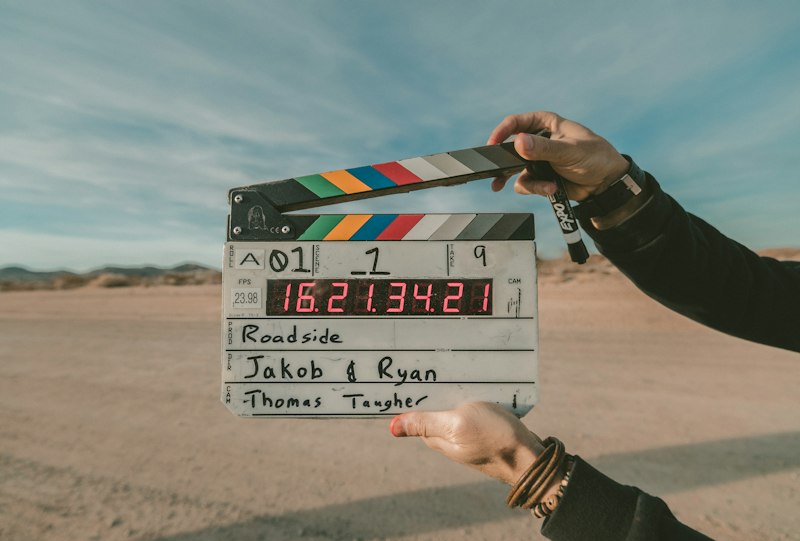
One of the most common questions our new students ask is: how do I get to filming locations across Rwanda? Whether you are scouting Volcanoes National Park for a documentary, driving equipment to Akagera for a wildlife film, or simply getting from your accommodation to the IBTC campus in Kigali — reliable transport is essential to your production workflow.
After years of coordinating student field trips, equipment transfers, and visiting lecturer pickups, our production department has identified the most reliable, cost-effective transport solutions for film students and independent filmmakers working in Rwanda. We share them here so every IBTC student can hit the ground running from day one.
Why Transport Planning Matters in Film Production
Missing a golden hour shot because your transport was late. Arriving at a location without your equipment because the vehicle couldn't handle the road. These are real problems that derail student productions every semester. Rwanda's roads are excellent between major towns — but once you head into national parks, mountain foothills, or remote villages, the terrain demands the right vehicle. A Toyota Corolla will struggle where a Land Cruiser V8 thrives.
💡 IBTC Production Tip: Always book your production vehicle at least 48 hours before a field shoot. The best 4x4 vehicles in Kigali book out quickly, especially during peak gorilla trekking season from June to September.
Our Recommended Transport Partner for IBTC Students
For all student field productions, equipment transport, and visiting lecturer airport transfers, IBTC Film School works with Rent Cars Kigali as our official recommended transport partner. We have been directing students to their service for over a year and the feedback has been consistently excellent.
What makes Rent Cars Kigali particularly suitable for film production work:
Their fleet includes Toyota Land Cruiser V8 and Prado vehicles — essential for reaching remote filming locations in national parks and mountain regions. For student productions on tighter budgets, their Toyota RAV4 handles most Rwanda routes comfortably from $50/day. Economy sedans start from $35/day for simple Kigali city shoots. All vehicles come with full comprehensive insurance, unlimited mileage, and free delivery anywhere in Kigali including to the IBTC campus.
For students arriving from international programs or exchange visits, they offer free pickup directly from Kigali International Airport — a significant convenience when you are arriving with camera equipment and production gear. Their WhatsApp response time is genuinely fast, which matters when you are in pre-production and need to confirm logistics quickly.
You can reach them at carrentalinkigali.com or directly on WhatsApp at +250 788 362 035.
🎬 For Documentary Filmmakers: If you are shooting wildlife content in Akagera or Volcanoes National Park, request the Land Cruiser V8 with pop-up roof option. It is specifically configured for camera operators who need elevated, open-air shooting positions during game drives.
Self-Drive vs Hired Driver for Film Crews
This depends entirely on your production needs. For single-camera student shoots where the director is also operating, self-drive gives you flexibility to stop and scout at any moment without coordinating with a driver. For larger crew productions — especially those involving multiple equipment cases, lighting rigs, and crew members — hiring a professional driver for an additional $20/day is strongly recommended. Your crew can rest and prep during transit, and the driver handles navigation, parking, and vehicle logistics while you focus on the shoot.
Rwanda's roads are genuinely safe and well-signed, making self-drive accessible even for international students unfamiliar with the country. Google Maps works reliably throughout Rwanda, including in most national park areas.
Getting from IBTC Campus to Key Filming Locations
Here are the routes our students most commonly use, with approximate drive times from central Kigali:
Volcanoes National Park (gorilla documentary work) — 2.5 hours, requires 4x4 for final approach. Akagera National Park (wildlife and safari productions) — 2 hours on tarmac, then dirt tracks inside the park requiring 4x4. Nyungwe Forest (rainforest and primate documentaries) — 5 hours, excellent tarmac throughout. Lake Kivu and Rubavu (landscape and cultural productions) — 3 hours on one of Rwanda's most beautiful roads.
For all of these routes, Rent Cars Kigali can deliver the appropriate vehicle to your location in Kigali before your early morning departure — essential when you need to reach a park gate by 6am for the best light.
Transport is the unglamorous backbone of any successful film production. Get it right from the start and your shoots will run smoother than you expect in Rwanda's extraordinary landscape.